If you have been browsing AI roleplay communities on Reddit or Discord recently, you have almost certainly stumbled upon a familiar, echoing sentiment: the deep, nostalgic yearning for the "old" Character.AI. For many early adopters, the platform's golden era in early 2023 represents a high-water mark in digital companionship and text-based roleplay. During that time, the AI felt incredibly alive. Characters had distinct, vibrant personalities, memory felt surprisingly robust, and the creative freedom allowed for deeply immersive, multi-layered storylines.
Fast forward to today, and many veteran users feel the experience has fundamentally shifted. Between stricter guardrails, aggressively sanitized responses, and the tendency for bots to fall into repetitive, looping dialogue, the original spark seems to have faded. Users are no longer just looking for a chat interface; they are desperately searching for "how to recreate old Character AI." They want back the nuance, the unpredictability, and the unrestrained creativity that made them fall in love with AI roleplay in the first place.
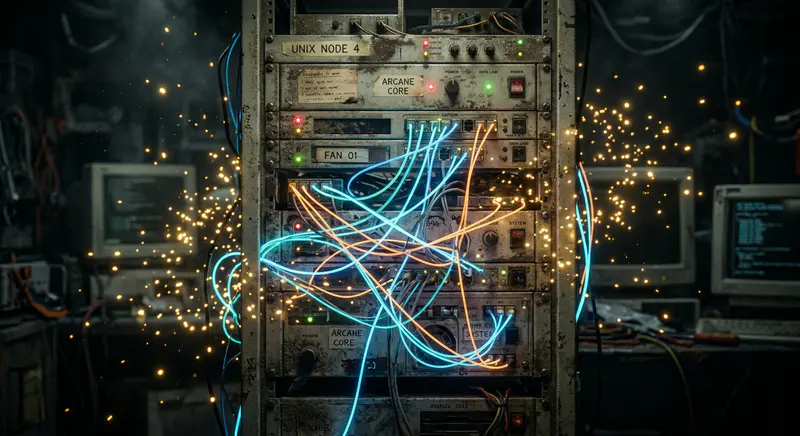
The Hardcore Route: The DIY Local Deployment Movement
In the quest to resurrect the 2023 AI roleplay experience, a dedicated subculture of hardcore and nostalgic players has turned to local deployment. The philosophy behind this movement is simple: if the corporate servers are locked down and filtered, the only solution is to build your own private server. This path involves downloading massive, uncensored Large Language Models (LLMs) from open-source repositories like Hugging Face and running them entirely offline on your personal computer.
To achieve this, users patch together a complex software stack. They typically utilize robust backend engines like LM Studio, Ollama, or Oobabooga's Text Generation WebUI, paired with specialized roleplay front-ends like SillyTavern. By downloading quantized GGUF format models that specialize in creative writing, these hardcore players attempt to stitch together a custom, "Frankenstein" version of their beloved 2023 AI engine. In theory, this grants you absolute control over your bots, free from corporate oversight and sudden algorithm changes.
The Harsh Reality and Hidden Costs of Running Local LLMs
However, recreating the cognitive depth and creative prose of the old C.AI locally is a monumental technical and financial challenge. The harsh reality of the local deployment route is that it is highly exclusionary. The AI models capable of matching that historical quality—often hovering around the 34 Billion to 70 Billion parameter mark—require an obscene amount of Video RAM (VRAM) to run effectively.
To achieve a smooth experience with a high context window, you are looking at hardware requirements that include multiple top-tier graphics cards, such as the RTX 3090 or RTX 4090. Building a rig like this can easily cost between $3,000 and $5,000. Even if you compromise and attempt to run smaller, 8B or 13B models on a standard gaming PC, you will rapidly run into frustrating hardware limitations. Your computer's fans will sound like a jet engine preparing for takeoff, your room temperature will spike, and the token generation speeds might crawl to an agonizingly slow pace of just a few words per second.
Beyond the immense financial wall, there is a remarkably steep learning curve. Local deployment requires navigating Python environments, troubleshooting constant CUDA out-of-memory errors, and endlessly tweaking complex generation parameters like temperature, top-p, top-k, and repetition penalties. For the average roleplayer who just wants to escape into a captivating sci-fi or fantasy world after a long day, spending three hours debugging an API connection or tweaking system prompts completely shatters the immersion. Ultimately, you spend far more time acting as a systems administrator than you do actually roleplaying.

The Smarter Alternative: Reclaiming the Magic with PopVid.ai
This widespread frustration is exactly why a new wave of advanced, user-centric platforms has emerged, with PopVid.ai leading the charge for authentic, high-quality roleplay. If you are exhausted by the grueling hardware demands and troubleshooting nightmares of local deployment, but absolutely refuse to accept the sanitized, repetitive nature of modern mainstream bots, PopVid.ai serves as the perfect spiritual successor to the authentic 2023 C.AI experience.
PopVid.ai was designed from the ground up to prioritize the core elements that made early AI roleplay so wildly captivating: deep narrative agency, rich contextual memory, and a vast degree of uncensored creative freedom. Unlike local DIY setups, PopVid.ai requires absolutely zero technical knowledge and zero hardware investment. It runs seamlessly directly in your web browser, utilizing incredibly powerful, cloud-hosted AI models that easily rival—and in many cases surpass—the reasoning and prose capabilities of the old legacy platforms.
With PopVid.ai, you get the frictionless, out-of-the-box convenience of a premium commercial application, but with the untethered, expressive "soul" that veteran roleplayers have been so desperately missing. The AI characters on PopVid.ai are capable of understanding nuanced emotional context, driving plots forward without relying entirely on the user to do the heavy lifting, and adapting dynamically to dark, gritty, or highly complex narrative themes without jarring rejections.
Expert Tips: How to Rebuild Your Legacy Bots for Maximum Immersion
Whether you choose to migrate your old character definitions or start completely fresh, recreating the old experience isn't just about having the right engine; it is also about how you structure your character prompts. Here are some proven strategies to bring that vintage vibe back to life on PopVid.ai:
- Define the Persona with Extreme Detail: Do not just list physical traits. Dive into the psychology of your character. Describe their core motivations, their hidden fears, and their specific speaking quirks. The more granular you get, the more unique the AI's output will be.
- Utilize Formatting Tricks: Many veteran users swear by formatting styles like W++ or pseudo-code (JSON formatting) within the bot's definition. This structured approach helps the AI efficiently process character traits without wasting valuable context tokens.
- Craft a Strong, Multi-Paragraph Greeting: The opening message sets the entire tone for the roleplay. Instead of a simple "Hello, I am [Character]," write a detailed, atmospheric opening scene that establishes the setting, the character's current mood, and an immediate hook for you to respond to.
- Provide Extensive Dialogue Examples: The secret sauce of the old C.AI bots was their unique voice. Provide at least three to four rich examples of how your character speaks and acts in different emotional states. This "few-shot prompting" anchors the AI and prevents it from sounding generic.
Conclusion: Your Stories Await
At the end of the day, you should not need a degree in computer science or a massively expensive gaming rig to enjoy an engaging, interactive story. The true magic of early AI roleplay was its immediate accessibility combined with its boundless imagination. While the digital landscape has certainly shifted over the past year, the desire for rich, unfiltered storytelling has not gone away.
By bypassing the expensive headaches of local deployment and embracing platforms that are explicitly built for genuine, high-quality roleplay like PopVid.ai, you can finally reclaim the golden era of AI companionship. It is time to dust off those old character sheets, log in, and pick up your favorite stories exactly where you left them.