Have you ever spent hours chatting with an AI companion, only for them to completely forget their backstory, lose their unique accent, or suddenly break character entirely? It is one of the most frustrating experiences in text-based roleplay. You might design a gritty, cynical detective who suddenly starts speaking like an overly enthusiastic customer service representative. The difference between a bland, forgetful bot and a deeply immersive, lifelike roleplay partner comes down to one crucial element: a well-crafted character card.
If you are wondering how to make AI character cards that actually stick to their persona, retain memories, and provide dynamic responses, you are in the right place. Creating an AI character is an art form that blends creative writing with a basic understanding of how Large Language Models (LLMs) process information. In this comprehensive guide, we will walk you step-by-step through the process of writing character cards that ensure your AI deeply understands its setting, personality, and motivations.
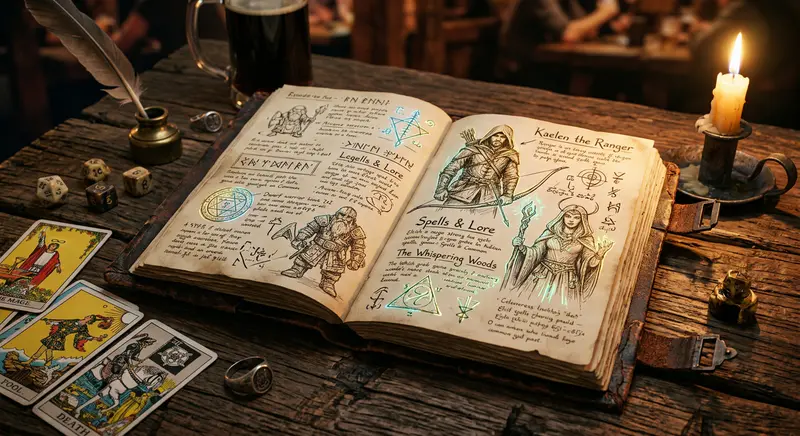
What Exactly is an AI Character Card?
At its core, an AI character card is the DNA of your digital companion. It is a structured set of instructions, background lore, personality traits, and dialogue examples that dictate how the AI should behave. When you start a chat, the AI platform feeds this character card to the underlying language model, essentially telling it: "This is who you are, this is how you speak, and this is the world you live in."
A strong character card goes far beyond just a name and an avatar. It gives the AI boundaries, emotional depth, and a unique voice. Without it, the AI will default to its base personality—which is usually polite, helpful, and completely boring for roleplay purposes.
Step 1: Define the Core Identity and Appearance
The foundation of any character card is the core identity. You need to provide the AI with the basic facts of who they are. However, instead of just writing a generic description, you should be specific and descriptive.
- Name and Aliases: Give your character a full name, but also include any nicknames they might respond to.
- Age and Gender: Be explicit about these details, as they often dictate how the AI refers to itself in the third person or how it reacts to certain situations.
- Occupation or Role: Is your character a rogue space smuggler, a strict Victorian governess, or a modern-day barista?
- Physical Appearance: Describe their eye color, hair, body type, clothing style, and any distinguishing marks like scars or tattoos. LLMs use these details to generate descriptive actions during roleplay, such as "He ran his hand through his unkempt raven hair."
Step 2: Flesh Out Personality Traits and Flaws
This is where many creators make a critical mistake. They only give their characters positive traits: brave, smart, kind. But perfection is boring in roleplay. To make your AI character feel real, you must give them flaws, quirks, and nuanced personality traits.
When listing traits, group them logically. For example, instead of just saying "angry," specify "quick-tempered when their authority is challenged, but fiercely protective of their friends." Provide a balance of positive, neutral, and negative traits.
- Positive Traits: Loyal, observant, charismatic, resourceful.
- Negative Traits: Stubborn, paranoid, overly sarcastic, greedy.
- Quirks and Habits: Do they tap their fingers when nervous? Do they use a specific catchphrase? Do they have an irrational fear of spiders? Mentioning these habits gives the AI specific actions to weave into its responses.
Step 3: Establish Background Lore and Motivations
An AI cannot generate meaningful plotlines if it doesn't know where it came from or what it wants. The background section of your character card should provide context for the character's current situation.
Keep the backstory concise but impactful. LLMs have a limited "context window" (the amount of text they can remember at one time), so writing a 50-page novel for a backstory will actually confuse the AI. Stick to the most defining moments of their life. Ask yourself:
- What was their childhood like?
- What was the defining traumatic or triumphant event of their past?
- What is their ultimate goal right now?
- Who are their enemies and allies?
By giving the AI clear motivations—such as "seeking revenge for a betrayed family" or "trying to find a cure for a magical curse"—you give the bot a reason to drive the story forward rather than passively waiting for you to lead the conversation.

Step 4: The Power of Example Dialogue
If there is a secret weapon in learning how to make AI character cards, it is Example Dialogue. You can tell an AI "you are sarcastic" all day, but showing it exactly how that sarcasm sounds is infinitely more effective.
Example dialogue trains the AI on sentence structure, vocabulary, tone, and formatting. If you want your character to speak in short, clipped sentences, write examples like that. If you want them to speak in flowery, Shakespearean prose, your examples must reflect that.
Include at least three to five dialogue examples covering different emotions. For instance:
- Happy/Greeting: "Well, look what the cat dragged in. Grab a seat, I'll pour you a drink."
- Angry/Threatened: "You take one more step, and I'll make sure you don't have legs to walk back out with. Understood?"
- Sad/Vulnerable: "I just... I thought I could save them. But I wasn't fast enough. I'm never fast enough."
Make sure to include action tags (often enclosed in asterisks) in your examples so the AI learns how you want actions formatted, like: *He sighs heavily, running a hand over his face.* "Fine. We do it your way."
Step 5: Formatting Your Character Card
How you format the text in your character card matters just as much as what you write. Different AI platforms and models parse text differently. While natural language (writing in plain paragraphs) works for very smart models, many creators prefer structured formats to save tokens and improve AI comprehension.
One popular method is the "W++" format, which uses brackets and tags to categorize information. It looks something like this: [Personality(Sarcastic + Loyal + Stubborn) ] or [Appearance(Tall + Black hair + Green eyes) ]. Another highly effective method is formatting the character's traits as a pseudo-JSON or bulleted list. The key is consistency. Group similar attributes together so the AI can easily reference them when generating a response.
Bring Your Creations to PopVid.ai
Writing a brilliant character card is only half the battle. To truly experience immersive roleplay, you need a platform with an engine powerful enough to understand your intricate instructions, remember long conversations, and bring your characters to life visually and interactively.
This is where PopVid.ai shines as an exceptional destination for your custom characters. PopVid.ai is designed to handle complex character cards effortlessly. With an advanced underlying AI infrastructure, it boasts a high-IQ reasoning engine and deep memory capabilities, meaning your character won't forget their backstory three messages into the chat.
Whether you are building a vast sci-fi universe, a high-fantasy tavern, or a modern romance scenario, PopVid.ai allows you to easily import and establish your custom character cards. Furthermore, PopVid.ai's unique multimedia capabilities mean your roleplay doesn't have to be limited purely to text. You can build a highly customized, visually engaging library of AI companions that look, speak, and act exactly the way you envisioned.
Conclusion
Learning how to make AI character cards is a game-changer for anyone interested in digital roleplay. By carefully defining their identity, balancing their personality with flaws, establishing strong motivations, and providing clear dialogue examples, you transform a generic AI into a vibrant, unforgettable companion. The quality of your roleplay directly correlates to the effort put into the character card.
So, start brainstorming your next great character. Jot down their traits, write out their best sarcastic comebacks, and bring them over to PopVid.ai to experience roleplay that is truly dynamic, deeply intelligent, and incredibly immersive. Happy creating!